
What I Learned Building Real Products in 2025
 Roy LevyJanuary 20262 min readProduct & delivery
End of year reflection. I worked on multiple real products this year. Different clients, different constraints. Some patterns kept repeating.
Lesson 1: Shipping beats perfect architecture
Too much planning kills momentum. Good-enough decisions win early. You can refactor what exists — not what doesn't.
I've seen projects stall because teams wanted the perfect setup before writing code. The ones that shipped fast, even with messy beginnings, ended up better. They had real users giving feedback. They could iterate based on actual problems, not theoretical ones.
Lesson 2: Most problems are not technical
Scope, communication, expectations. Unclear ownership. "Just one more feature."
The hardest parts of building products aren't about code. They're about people. About saying no. About keeping things simple when everyone wants to add more.
Lesson 3: Simple stacks outperform clever ones
Boring tech ships faster. Fancy tools rarely solve business problems. Maintainability > novelty.
I've built things with the latest frameworks and with older, stable ones. The stable ones always took less time. Less debugging. Less "wait, why isn't this working?" moments.
Lesson 4: Speed comes from constraints
Deadlines help. Small teams move faster. Clear priorities = faster delivery.
When you have unlimited time, you take it. When you have a hard deadline, you make decisions faster. You cut what doesn't matter. You focus.
Lesson 5: Clients don't want code, they want outcomes
Users, revenue, stability. Code is just the tool.
Nobody hires you because you know React. They hire you because you can build something that works. That solves a problem. That makes their business better.
Going into 2026, I'm doubling down on:
- Simplicity
- Clear communication
- Shipping usable products
If you're building something in 2026 and want to keep it simple and reliable, feel free to reach out.
Related posts
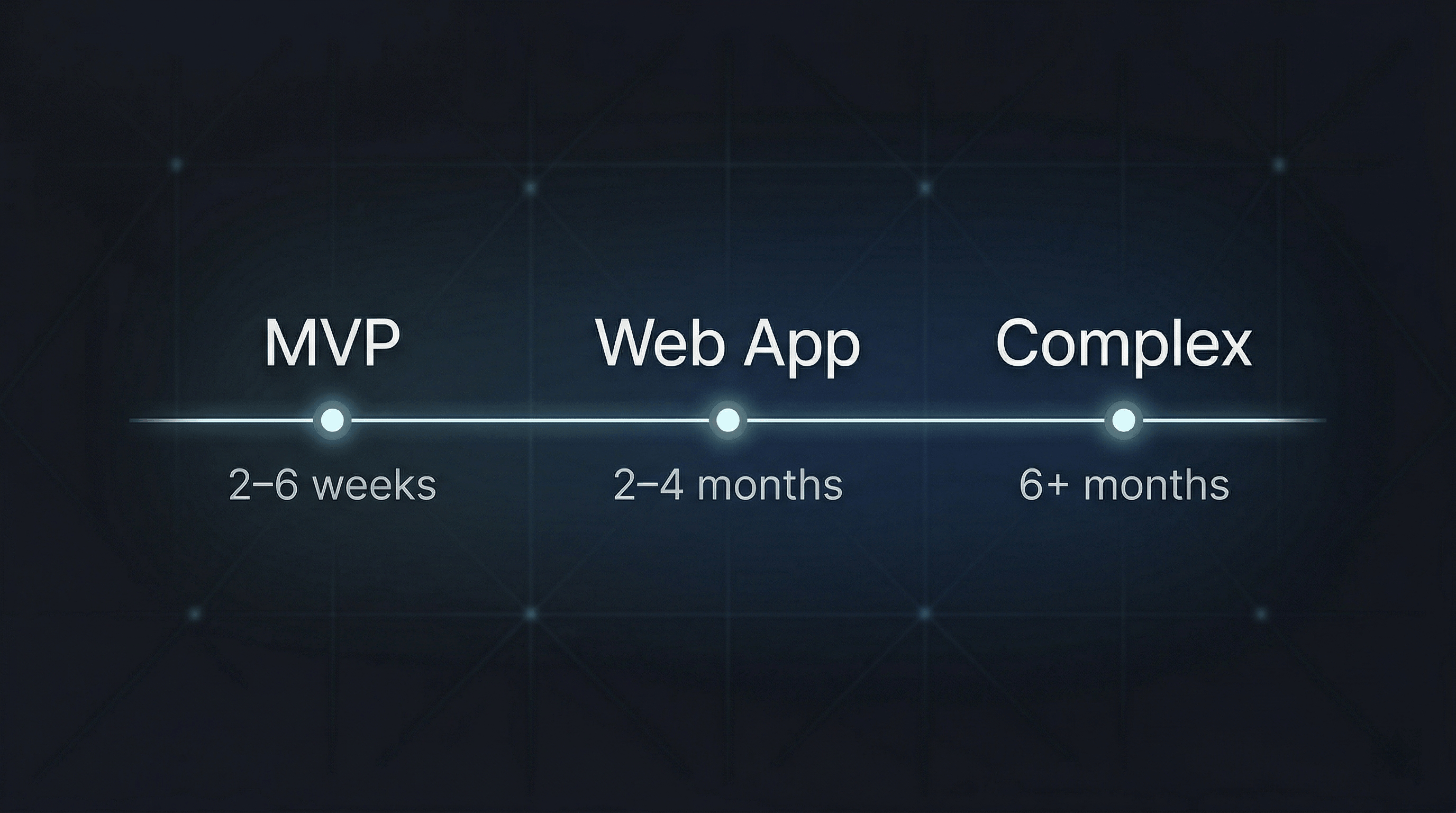
How Long Does It Take to Build a Web Application? (Real Timelines + Hidden Delays Explained)
January 20267 min readReal 2026 timelines: MVPs in weeks, solid web apps in months, complex platforms often 6+. Understand what actually stretches calendars—not typing speed—before you commit months of work.
The Most Expensive Mistake in Software Projects (And Why Teams Miss It)
January 20264 min readTeams ship working code that misses the real problem—then pay for rework, politics, and lost months. Align on the problem before you pour concrete into code.
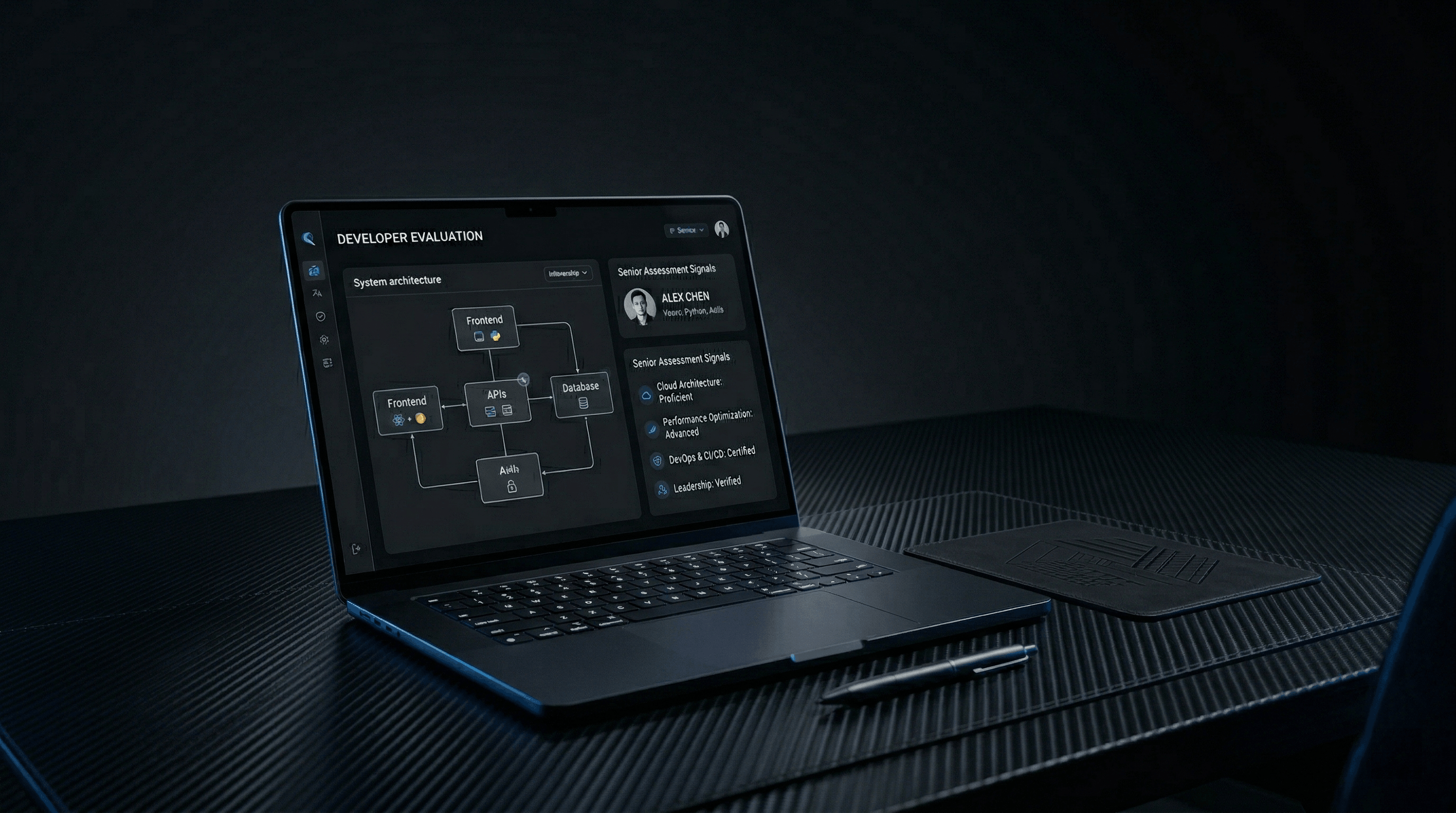
How to Hire a Remote Full Stack Developer (Without Costly Mistakes)
April 20269 min readRemote hiring fails when scope is fuzzy and proof is thin—vet delivery, communication, and fit before you commit.
Questions about something you read here, or a project you want to move forward? I work with teams on full-stack builds, AWS and serverless consolidation, migrations, and messy systems.
Contact me